
Ever wondered what makes skin look instantly fresher, smoother, and visibly younger after just one treatment?
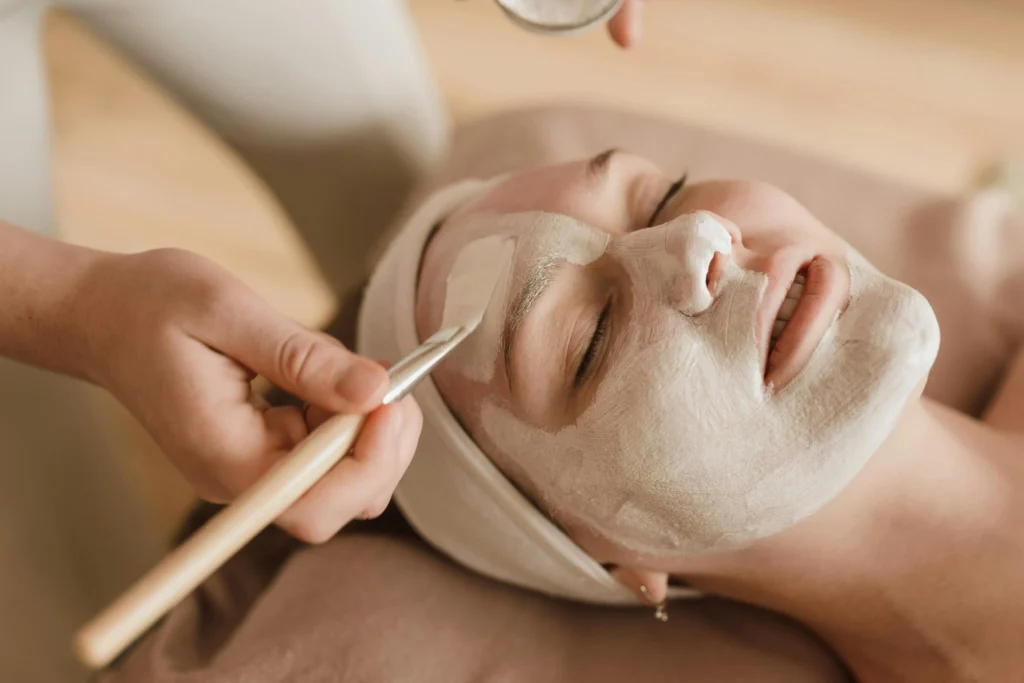
A client walks into a clinic with dull, uneven skin or acne scars. After a single session, their skin already looks brighter and clearer. That transformation is often powered by one of the most in-demand treatments today – chemical peels.
And the professionals performing these treatments? They don’t just learn it casually. They undergo proper chemical peel training and earn a recognised chemical peel certification to ensure safety and results.
Whether you’re a student, a working professional planning a career shift, or simply curious, this guide covers everything you need to know.
What Is a Chemical Peel?
A chemical peel is a skin treatment where a trained professional applies a chemical solution to the face (or neck/hands) to remove the outermost layers of dead skin.
As the old skin peels away, new, smoother skin replaces it.
Simple way to understand it:
Your skin naturally renews every 28–30 days. A chemical peel speeds up that process, helping clients achieve clearer, brighter skin faster.
What Skin Problems Do Chemical Peels Treat?
Chemical peels are widely used to improve:
- Acne and acne scars
- Uneven skin tone and hyperpigmentation
- Fine lines and early signs of ageing
- Sun-damaged skin
- Dull or rough skin texture
- Melasma (very common in Indian skin types)
The Three Types of Chemical Peels
Chemical peel training categorises treatments based on how deeply they penetrate the skin.
1. Superficial Peels (Beginner-Friendly)
- Depth: Epidermis only
- Acids used: Glycolic acid (AHA), Lactic acid (AHA), Salicylic acid (BHA), Mandelic acid
- Best for: Dullness, mild acne, uneven tone
2. Medium Peels
- Depth: Upper dermis
- Acids used: TCA (Trichloroacetic acid), Jessner’s solution
- Best for: Pigmentation, acne scars, fine lines
3. Deep Peels (Advanced/Medical)
Depth: Mid-dermis
- Acids used: Phenol
- Best for: Deep wrinkles, severe sun damage
Requires medical supervision
Most chemical peel certification courses focus on superficial and medium peels, as these are the most commonly used in clinics, salons, and aesthetic centres.
What Is a Chemical Peel Certification?
A chemical peel certification is a professional qualification that trains you to:
- Assess different skin types
- Choose the right peel
- Apply it safely and effectively
- Manage post-treatment care
Why certification matters:
Incorrect application can lead to burns, scarring, or severe skin reactions. Certification ensures both client safety and your professional credibility.
What Do You Learn in a Chemical Peel Course?
A good chemical peel course combines theory with hands-on practice.
Theory (Classroom Learning)
- Skin anatomy and skin types
- How different chemical acids work
- Types of peels (superficial, medium, deep)
- Contraindications (who should NOT get a peel)
- Client consultation and skin assessment
- Safety and hygiene protocols
Practical (Hands-On Training)
- Pre-treatment skin preparation
- Step-by-step peel application
- Monitoring skin reactions
- Post-peel care guidance
- Managing side effects and complications
By the end of the training, you should be able to perform a complete chemical peel treatment independently.
Who Should Take a Chemical Peel Course?
This course is ideal for:
- Students after 12th grade
- Beauticians and salon owners
- Nurses and paramedical professionals
- Anyone looking for a career change
The best part?
You don’t need a medical degree. Basic education (10th or 12th) is usually enough to start.
How Long Does Chemical Peel Training Take?
Most chemical peel training programs are short and practical.
- Duration: 2 days to 4 weeks
- Depends on:
- Course depth
- Whether it’s standalone or part of a cosmetology program
This makes it perfect for quick skill-building without long-term commitment.
Is There a Career in Chemical Peels?
Yes—and it’s growing rapidly.
The global chemical peel market was valued at USD 2.6 billion and continues to grow steadily. Demand is especially strong in India and Gulf countries.
Career Options After Certification
You can work as:
- Skin care therapist / aesthetician
- Clinic or med-spa professional
- Freelance skin specialist
- Salon owner or entrepreneur
Salary Expectations
Kerala / South India
₹15,000–₹35,000 (entry-level)
Metro Cities (Bangalore, Mumbai)
₹25,000–₹60,000
Gulf (UAE / Qatar / Bahrain)
AED 3,000–6,000
With experience and client base, earnings can grow significantly.
Why Choose a Recognised Academy?
Not all chemical peel classes are equal.
A recognised institute gives you:
- Industry credibility
- Proper technique training
- Strong safety knowledge
- Certificates accepted in Gulf countries
- Placement support
Choosing the right academy can directly impact your career opportunities.
Chemical Peel Certification in Kerala
Kerala is emerging as a major hub for cosmetology and aesthetic education.
Why study in Kerala?
- Affordable training compared to metro cities
- Exposure to diverse South Asian skin types
- Strong placement opportunities in India & Gulf
- Growing professional network
Ready to Get Certified?
Chemical peels are one of the most popular and results-driven skin treatments today.
Learning this skill can open doors to:
- Clinics
- Salons
- Med-spas
- Your own business
Whether you’re:
- a student after 12th
- a beauty professional
- or planning a career switch
A chemical peel certification course is a smart, practical step forward.
Glam International Academy offers structured chemical peel classes with hands-on training, expert guidance, and placement support. If you’re in Kerala or planning to study here, this is a great place to start.
Explore the Chemical Peels Certification Course at Glam International Academy
FAQ’S
1. What is the eligibility for a chemical peel certification course?
Most institutes accept students who have completed 10th or 12th grade. No prior medical background is required for basic certification courses.
2.How long is a chemical peel course?
Most chemical peel classes range from 2 days to 4 weeks, depending on the depth of training and whether it is standalone or part of a broader cosmetology programme.
3.Can I perform chemical peels after a short certification course?
Yes. For superficial and mild-to-medium peels, a certification course provides sufficient training. Deep peels (phenol) require advanced training and are typically performed under medical supervision.
4 . Is chemical peel certification valid in the UAE or Gulf countries?
Certificates from recognised Indian institutions are generally accepted in Gulf countries. However, individual countries have their own licensing requirements -always verify with local regulatory authorities before practising.
5.What acids are covered in chemical peel training?
Most courses cover Alpha Hydroxy Acids (AHAs) such as glycolic acid and lactic acid, Beta Hydroxy Acids (BHAs) such as salicylic acid, TCA (trichloroacetic acid), mandelic acid, and phenol for deep-peel training.
6. What is the salary of a chemical peel specialist in India?
Entry-level skin therapists in Kerala and South India typically earn ₹15,000–₹35,000/month. In metro cities, experienced professionals earn ₹25,000–₹60,000/month. In the Gulf, salaries range from AED 3,000–6,000/month depending on experience and employer.
7. Is chemical peel training safe to learn as a beginner?
Yes, provided you train at a reputable institute with supervised practical sessions. The training teaches you to assess skin safely -including using the Fitzpatrick Skin Scale -before applying any treatment.
8. Is certification renewal required?
This depends on the certifying body. At most Indian institutes, the base certification does not expire, but advanced refresher training is recommended as new formulations and protocols emerge. Check with your institute for ongoing training options.
9. Where can I take a chemical peel certification course in Kerala?
Glam International Academy in Kerala offers a dedicated Chemical Peels Certification Course combining theory, live demonstrations, and practical training on real clients. It is open to beginners and working professionals, with placement support in India and the Gulf